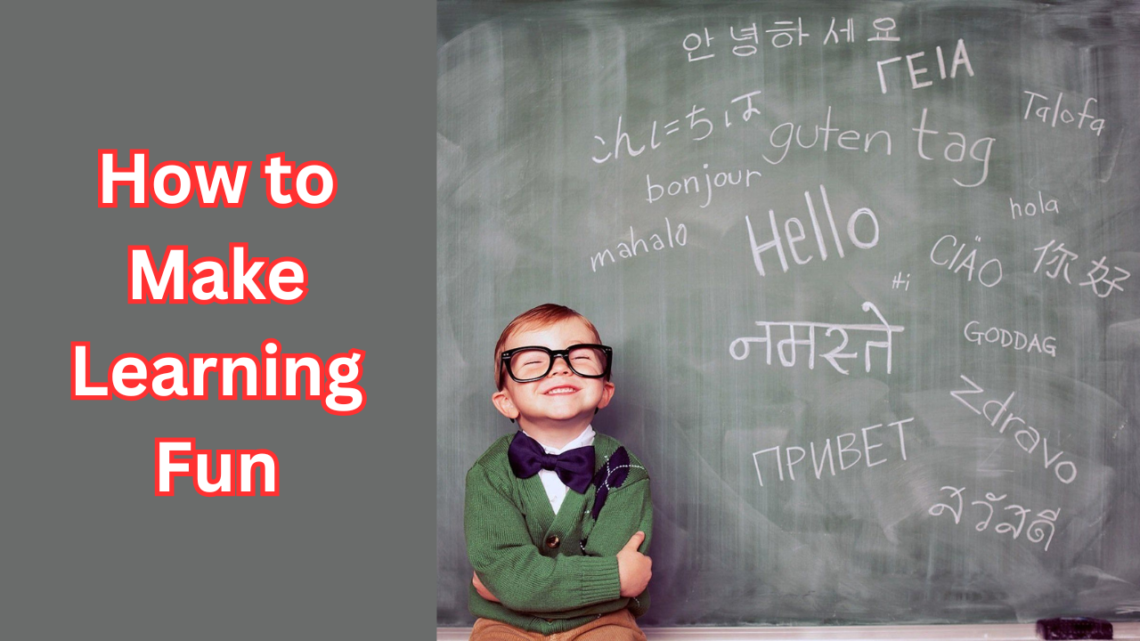
Learning can be fun and exciting! When students enjoy learning, they pay more attention, remember things better, and start to love gaining knowledge. Both teachers and students can make learning enjoyable. Teachers can use fun methods, add games and activities, and keep lessons light and happy. Students can join in and show their interest. This makes school something to look forward to. When everyone works together, learning becomes a fun adventure.
Understanding Why Fun Matters in Learning:
When learning is fun, students want to join in more. Fun activities help the brain remember things better because they reduce stress and make students curious. Boring and strict teaching can make students lose interest. But adding fun can make them interested and do better. Learning doesn’t have to be hard work all the time. It can have moments of laughter and exploring that make it enjoyable. When students enjoy learning, they stay engaged, remember more, and love gaining knowledge. Teachers and students can make learning fun with games, activities, and happy lessons. This makes school a better place to be.
Making Lessons Interactive:
Interactive lessons are one of the best ways to make learning fun. When students actively participate, they feel more involved and connected to the material. Teachers can include group discussions, role-playing, and hands-on activities to bring the topics to life. Games and quizzes can also add a playful element while still focusing on the subject matter. For students, joining these activities with enthusiasm makes the experience even better. Active participation creates a sense of accomplishment, which boosts confidence and interest.
Using Technology Creatively:
Technology makes learning fun. Teachers can use videos, games, and apps to make lessons exciting. Virtual tours and interactive presentations help explain hard topics in a fun way. For example, videos can turn history or science lessons into an adventure. Students can also use technology to create their own projects like videos, presentations, or digital art. This way, they learn by doing things themselves.
Incorporating Real-Life Examples:
When lessons are like real life, they make more sense. Students are more interested when they see how learning helps in the real world. Teachers can tell stories or give examples to make things easier to understand. When students think about how lessons fit into their own lives, they understand better and see why it’s important. This makes learning fun and useful.
Encouraging Creativity:
Being creative makes learning fun. Students should try projects, writing, art, or other creative activities. Teachers can give assignments that let students explore ideas in their way. This makes learning fun and helps students use their imagination and think better. Creativity makes class exciting and different every day. When students are creative, they enjoy learning more and feel more involved. Teachers can help by giving creative assignments. This way, learning becomes a fun adventure where students can try new things and show their talents.
Building a Positive Environment:
A supportive and happy classroom makes learning fun. Teachers should make a place where students feel safe to ask questions, make mistakes, and share ideas. Celebrating small successes and encouraging a positive mindset are important. Students should appreciate their teachers and help create a respectful atmosphere. This makes the classroom experience better for everyone. When the environment is positive, learning becomes a shared adventure and not a stressful task.
Adding Humor to the Classroom:
Laughter is great for learning. A good sense of humor makes lessons more fun. Teachers can use funny stories, jokes, or fun activities to make the classroom happy. For students, finding humor in lessons helps them relax and feel more connected to the material. Humor brings everyone together and makes learning less scary.
Creating Opportunities for Collaboration:
Learning with others can be very fun. Group projects, talking with friends, and solving problems together let students share ideas and learn from each other. Teachers can create tasks that need teamwork. This makes learning interactive and helps students build social and communication skills. When students work together and talk with classmates, it creates a sense of unity and makes learning more enjoyable. Collaboration helps everyone feel included and part of a team. It also makes learning more exciting because students can try out new ideas and learn from different perspectives. Working together in groups helps students develop important skills for the future, like cooperation and problem-solving. This makes the learning experience more fun and rewarding for everyone.
Mixing Up the Routine:
A change in routine can make learning exciting. Teachers can try switching up lesson formats, introducing surprise activities, or even taking lessons outside the classroom. For students, being open to new approaches and trying different learning methods can keep things fresh and interesting. Adding variety to the learning process ensures that students stay engaged and look forward to what comes next.
Conclusion:
Making learning fun is a shared effort between students and teachers. By incorporating creativity, technology, real-life examples, and collaboration, the process can become enjoyable and inspiring. When lessons are interactive, the environment is positive, and humor is part of the equation, learning becomes something students eagerly anticipate. Whether it’s through group activities or trying new methods, there are countless ways to make education a joyful journey. Both teachers and students have the power to create a learning experience that is not only educational but also memorable and fun.
