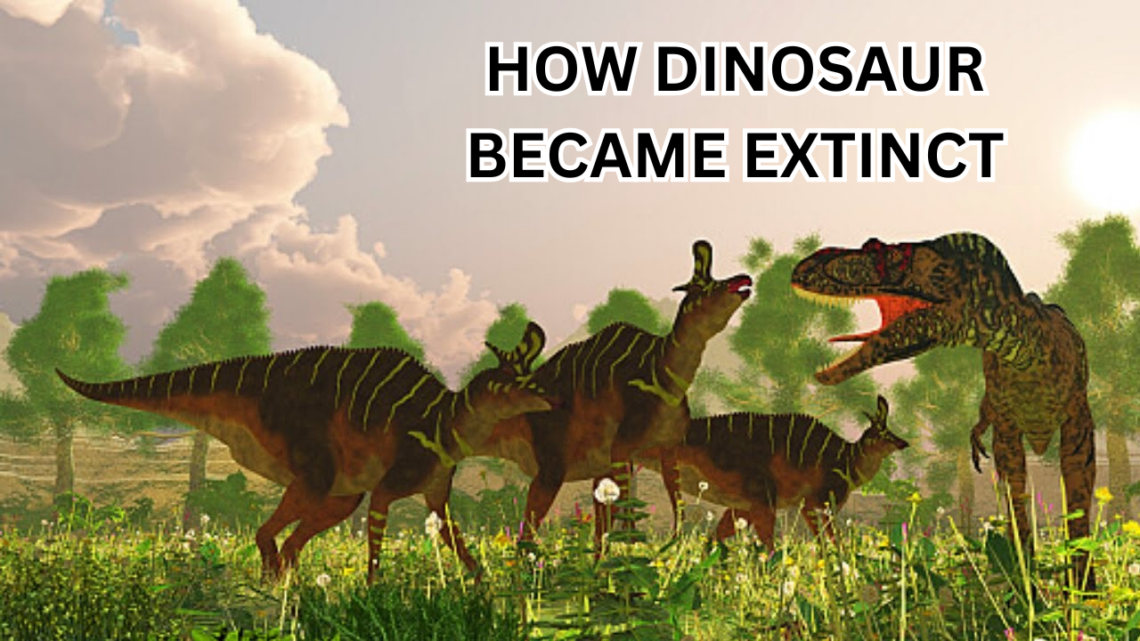
The extinction of dinosaurs is one of the most fascinating events in earth history around 66 million years ago these mighty creatures which had dominated the planet for over 160 million years suddenly disappeared while several factors likely played a role in their demise the most widely accepted theory is the impact of a massive asteroid this catastrophic event caused widespread fires climate changes and a nuclear winter effect that drastically altered the planet’s environment the skies darkened temperatures dropped and plant life struggled to survive without food and suitable living conditions dinosaurs particularly the large species faced extinction.
The asteroid impact some scientists believe that volcanic activity changing sea levels and climate shifts may have contributed to the dinosaurs downfall this combination of environmental stressors made it nearly impossible for these ancient creatures to adapt the extinction of dinosaurs opened up new opportunities for mammals to thrive leading to the rise of species like humans understanding the extinction of dinosaurs not only unravels a crucial moment in natural history but also offers insight into how life on Earth can evolve or disappear due to sudden environmental changes.
Theories of Dinosaur Extinction:
There are several theories about why dinosaurs became extinct and scientists have been studying these for years to understand what happened one of the most popular explanations is the asteroid impact theory around 66 million years ago a giant asteroid is believed to have struck Earth creating a huge explosion this impact caused massive fires and threw up dust and debris into the atmosphere blocking sunlight without sunlight plants could not grow leading to a collapse in the food chain this dramatic environmental change would have made it very difficult for dinosaurs to survive another theory is the volcanic activity theory.
These eruptions released large amounts of gases like carbon dioxide and sulfur into the atmosphere leading to climate changes some scientists believe this could have contributed to a volcanic winter where temperatures dropped and the climate became much colder there is also the possibility that changing sea levels and the Earth climate were factors in the dinosaur extinction as the continents shifted habitats changed and sea levels rose and fell dinosaurs may have struggled to adapt.
Evidence Supporting the Asteroid Impact Theory:
The asteroid impact theory is supported by several key pieces of evidence that suggest a massive asteroid played a major role in the extinction of dinosaurs one of the most convincing pieces of evidence is the discovery of a layer of iridium-rich clay found in rock formations around the world iridium is a rare metal often associated with asteroids and its presence in high amounts points to the possibility of an asteroid impact boundary marks the exact time when dinosaurs disappeared scientists have identified a large crater known as the crater located on the Yucatan Peninsula in Mexico this crater which is over 150 kilometers believed to have been caused by an asteroid striking the Earth about 66 million years ago.
The size and location of the crater align with the timing wide is of the extinction event making it a strong piece of evidence in favor of the asteroid impact theory studies of the rocks around the crater show evidence of intense heat and pressure consistent with a catastrophic impact this would have triggered massive wildfires and a significant climate shift all of which contributed to the extinction of the dinosaurs the iridium layer crater and other geological evidence strongly support the idea that an asteroid impact was a key factor in the mass extinction event.
The K-PG Extinction Event:
The K-PG extinction event which occurred around 66 million years ago was one of the most dramatic moments in Earth history it marks the sudden disappearance of about 75% of all species including the dinosaurs this event is thought to have been caused by a massive asteroid impact which struck Earth with incredible force creating the crater in Mexico the impact released so much energy that it triggered massive fires earthquakes it also sent a huge amount of dust and debris into the atmosphere blocking sunlight for months or even years without sunlight plants could not photosynthesize disrupting the entire food chain and making it impossible for many species to survive.
The sudden climate change caused by this impact created a nuclear winter effect with temperatures dropping and the environment becoming harsh and inhospitable dinosaurs and many other species that relied on specific climate conditions could not adapt quickly enough while the asteroid impact is considered the primary cause some scientists believe that volcanic eruptions and changing sea levels may have also contributed to the event the K-PG extinction reshaped life on earth making way for mammals to thrive and eventually evolve into the species we see today including humans.
Aftermath of the Extinction Event:
The aftermath of the K-PG extinction event was a time of dramatic change and recovery for life on Earth after the asteroid impact the planet was plunged into a period of darkness with dust and debris blocking out the sun for months, possibly even years without sunlight, plants could not grow leading to the collapse of ecosystems many species, including dinosaurs could not survive in the harsh conditions life did not disappear entirely in the wake of this mass extinction new opportunities arose for smaller creatures particularly mammals to thrive with fewer predators around mammals began to evolve and diversify eventually leading to the rise of new species
Become humans the Earth environment also began to change over time after the initial cooling and darkness the planet slowly started to warm up again new plant life began to grow which helped rebuild ecosystems and provide food for surviving species over millions of years these changes set the stage for the evolution of modern life the aftermath of the extinction event reshaped Earth biodiversity and opened up new evolutionary paths for the animals and plants that survived marking the beginning of a new era in the planet’s history.